Over 81% of trade show attendees arrive with direct buying authority, but most of them are lost in the clutter of the exhibition floor. You invest heavily in a booth only to face brand dilution in a crowded hall. Smart brands know that the real battle for attention starts blocks away. By leveraging advertising near convention centers, you can establish market dominance before a single badge is scanned.
It's a common struggle. You're competing for visibility while your best prospects spend their time at nearby hotels and restaurants. This article shows you how to intercept those high-value decision-makers using proximity-based outdoor media. High-stakes visibility. Unmatched reach. Total district dominance. We'll break down the tactics needed to create a surround sound brand experience that drives foot traffic directly to your location. You'll discover how to own the entire event district and maximize your ROI, which industry data shows can reach nearly $21 for every dollar spent.
Key Takeaways
- Break through the noise of crowded exhibition halls by dominating the 1-3 block radius surrounding the venue.
- Identify and intercept high-value attendees across the three primary zones of the attendee journey: hotels, transit corridors, and entrance plazas.
- Compare the ROI of static media against high-impact mobile formats to choose the most effective advertising near convention centers for your brand.
- Adapt your creative strategy for street-level engagement, moving beyond traditional billboard styles to include trackable digital calls to action.
- Leverage custom pedicab wraps to create an exclusive, "surround sound" brand experience that establishes national market leadership.
The Strategic Advantage of Advertising Near Convention Centers
Proximity advertising isn't just about being close; it's about being unavoidable. We define this strategy as media placement within a strict 1-3 block radius of major event venues. This is where the decision-maker's journey actually begins. While competitors fight for inches on a crowded trade show floor, market leaders capture the entire district. Out-of-home advertising in these high-traffic corridors provides a level of clarity that simply doesn't exist inside the venue. It turns the city streets into your personal showroom.
Consider the psychological advantage of being the first brand an attendee sees in the morning. This "first-look" dominance creates a lasting impression before the mental fatigue of the exhibition hall sets in. It's a strategic intercept. It primes the prospect. Beyond the psychological edge, the economics are undeniable. Official venue sponsorships often come with staggering administrative fees and restrictive rules. By focusing on advertising near convention centers, brands achieve higher visibility without the red tape or city commissions often found inside the facility. You get more eyes for a smarter investment.
Breaking the In-Hall Noise
Inside the hall, your 10x10 booth is one of thousands. It's a sea of logos where brand dilution is the default. Street-level media offers exclusivity. There are no rows of competitors on the sidewalk. This media acts as a "pre-roll" for the live event experience. You've already made the pitch before they even scan their badge. High-impact reach convention attendees advertising starts the moment they leave their room. You aren't just an exhibitor. You're a landmark that guides them to the hall.
The "Surround Sound" Branding Effect
Frequency drives trust. When an attendee sees your brand on the transit corridor, near their favorite restaurant, and again at the entrance plaza, you create a "surround sound" effect. This isn't passive viewing; it's a total district takeover. You establish a "host" presence that suggests your brand owns the event. Multiple touchpoints outside the hall build subconscious reliability. It tells the attendee that you are the primary player in the industry. It’s about scale, geographic dominance, and proving your capability on a national stage. You don't just attend the show. You dominate the environment.
Mapping the High-Traffic Attendee Journey
Dominating a convention requires a granular understanding of attendee movement. The exhibition hall is the destination, but the journey starts at the hotel elevator. We categorize this movement into three high-impact zones: The Hotel District, The Transit Corridor, and The Entrance Plaza. Each zone offers a unique psychological state and receptivity level. Effective advertising near convention centers isn't about general awareness. It's about strategic placement within these specific high-traffic corridors where decision-makers are most attentive.
Attendee behavior extends far beyond show hours. While the exhibition hall typically closes by 5:00 PM, the after-hours economy is where the real networking happens. Research indicates that 82% of trade show attendees have buying authority, and these individuals spend significant time dining and networking within a tight radius of the venue. This creates a 24/7 visibility window that indoor booths can't match. When the lights go down in the hall, your brand stays active in the district. It’s a continuous presence that builds authority through geographic dominance. You can explore high-impact media formats that own these essential zones.
- The Hotel District: Capturing the morning coffee runs and late-night networking returns.
- The Transit Corridor: Dominating the primary walking or shuttle paths to the venue.
- The Entrance Plaza: Owning the final bottleneck before badge scanning and security.
The Hotel-to-Hall Corridor
Executive-level attendees rarely look at the sky; they look at the street. In dense urban environments, high-altitude billboards are often obscured by architecture or lost in the skyline. Street-level visibility captures the walking path of the C-suite. This commute is the highest-retention window for messaging. The mind is fresh during the morning walk and reflective during the evening return. By targeting these specific pathways, you intercept prospects during their most focused moments of the day.
The Entrance Plaza Bottleneck
The entrance plaza is the ultimate dwell-time opportunity. Attendees wait for badges, clear security, and coordinate with teams. This creates a captive audience. Unlike the frantic pace inside the hall, the plaza involves significant standing time. Strategic placement here ensures your message is consumed during these inevitable pauses. It’s about owning the bottleneck. You capture their attention when they have nothing else to do but look around. This is the final touchpoint that converts a city-wide presence into a specific booth visit.
Static vs. Mobile Media: Choosing the Right Proximity Format
Selecting the optimal format for advertising near convention centers is a decision that separates market leaders from background noise. Static formats like bus shelters and kiosks offer a baseline, but they are inherently limited by their geography. They are passive. Mobile media is proactive. It possesses the logistical prowess to follow the pulse of the event. It moves where the decision-makers move. This agility ensures your brand maintains geographic dominance across the entire district, regardless of how traffic patterns shift throughout the day.
Active media delivers a superior ROI by functioning as an experiential touchpoint rather than just a sign. Non-traditional formats often serve as high-value "photo-ops" for attendees, extending your reach far beyond the sidewalk and into social media feeds. When an executive interacts with a branded mobile asset, the engagement is personal and memorable. This shareable nature turns a single street-level impression into a viral brand moment. It’s an aggressive way to ensure your message is not just seen, but remembered and shared.
The Power of Mobile High-Visibility Media
Pedicab advertising for trade shows represents the gold standard in proximity engagement. These assets function as high-energy mobile billboards that circle specific city blocks at peak times, such as the morning rush or the evening networking hour. Unlike fixed signs, mobile units allow for real-time adjustments based on crowd density. If a specific intersection becomes a bottleneck, your media is there. If the crowd shifts toward a specific hotel for a keynote, your media follows. This ensures your brand is always at the center of the highest-density areas.
Evaluating Static Signage Limitations
Static signage often suffers from "street furniture blindness." Busy executives and frequent travelers naturally tune out stationary kiosks and benches. These formats quickly become part of the urban background noise. Fixed-location media also carries the risk of being bypassed if traffic patterns change due to construction or security rerouting. While static media can support a campaign, it should never be the primary driver for advertising near convention centers. It lacks the punch and adaptability required to dominate a high-stakes event environment. You need media that moves with the speed of your audience.
Essential Elements of a High-Impact Proximity Campaign
Execution is the difference between a high-performing asset and wasted spend. When planning advertising near convention centers, you must design for the street, not the sky. Traditional billboard creative fails at eye level. It’s too cluttered. It lacks the punch needed for a pedestrian environment. High-impact campaigns prioritize rapid recognition and immediate utility. You're competing with urban distractions, moving crowds, and the mental load of the convention itself. Clarity is your most valuable asset.
Integrating digital calls to action is non-negotiable for lead tracking. QR codes and event-specific hashtags bridge the gap between physical visibility and digital conversion. This allows your team to measure engagement in real-time. Coordination is equally critical. Your media timing must sync with the event’s heartbeat. We deploy assets during hall openings and major keynote sessions when foot traffic peaks. This ensures your brand is the loudest voice during the most important windows of the day. Consistency matters. The visual language on the street must mirror your exhibition booth to create a seamless brand experience. You can book a high-impact campaign to ensure your brand dominates the next major show.
Creative Strategy for Street-Level Impact
Recognition must be instantaneous. We employ the "3-second rule" for all street-level creative. If an attendee can't identify your brand and core message in three seconds, the creative has failed. Use high-contrast colors and bold, sans-serif typography. Tailor your messaging to the specific professional demographic of the show. A medical convention requires a different visual weight than a tech summit. Your creative should feel like an extension of the professional environment, establishing your brand as a peer and a leader.
Logistics and Execution Excellence
National-scale execution requires logistical sophistication. Navigating local permit requirements for mobile media is a complex task that demands an experienced partner. We handle the red tape to ensure uninterrupted delivery. Real-time reporting and proof-of-performance are standard for any high-stakes media buy. You need to know exactly where your assets are at any given moment. For a deeper dive into measuring success, refer to The Executive Guide to Convention Center Media Buys. This framework provides the ROI metrics needed to justify your investment. High-capacity operations maintain your brand's prestige throughout the event.
National Event Dominance with VIP Outdoor Media
VIP Outdoor Media stands as the undisputed national leader in high-impact event advertising. We provide the logistical prowess and operational scale required to manage complex campaigns across every major US convention hub. While competitors offer generic outdoor options, we specialize in high-stakes advertising near convention centers. Our approach is strictly consultative. We don't just sell media space; we build comprehensive strategies that integrate with your broader marketing objectives. This ensures your brand projects an image of established authority and large-scale capability to every attendee in the district.
Managing large-scale activations requires more than just creative talent. It requires rigorous operational execution. We navigate the complexities of local regulations and high-density traffic management so your team can focus on the exhibition floor. Our reputation is built on reliability and the ability to handle the high-stakes requirements of major global entities. We serve as the strategic bridge between traditional media and modern experiential engagement. By focusing on geographic dominance, we ensure your brand remains the primary choice in its field throughout the duration of the event.
Custom Pedicab Wraps and Mobility Formats
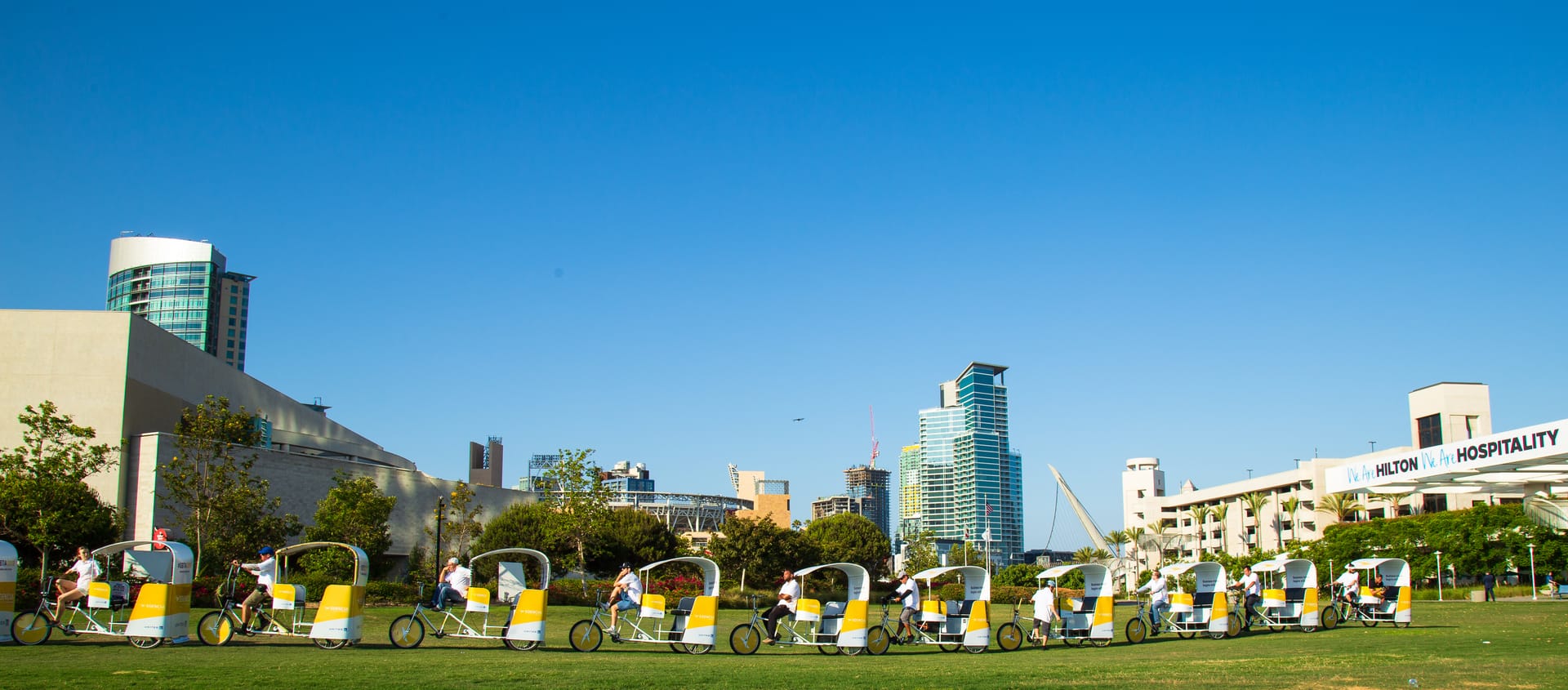
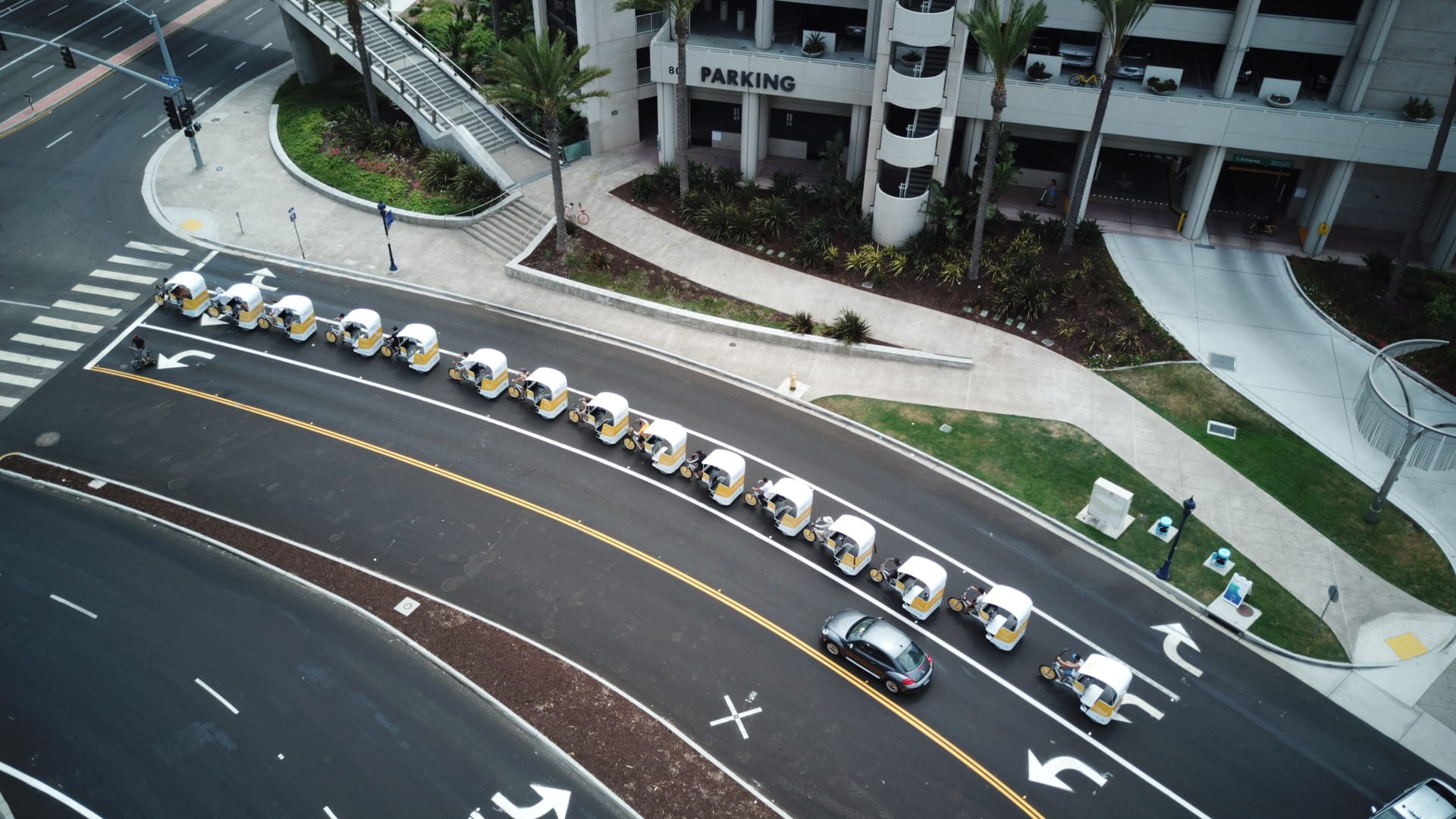
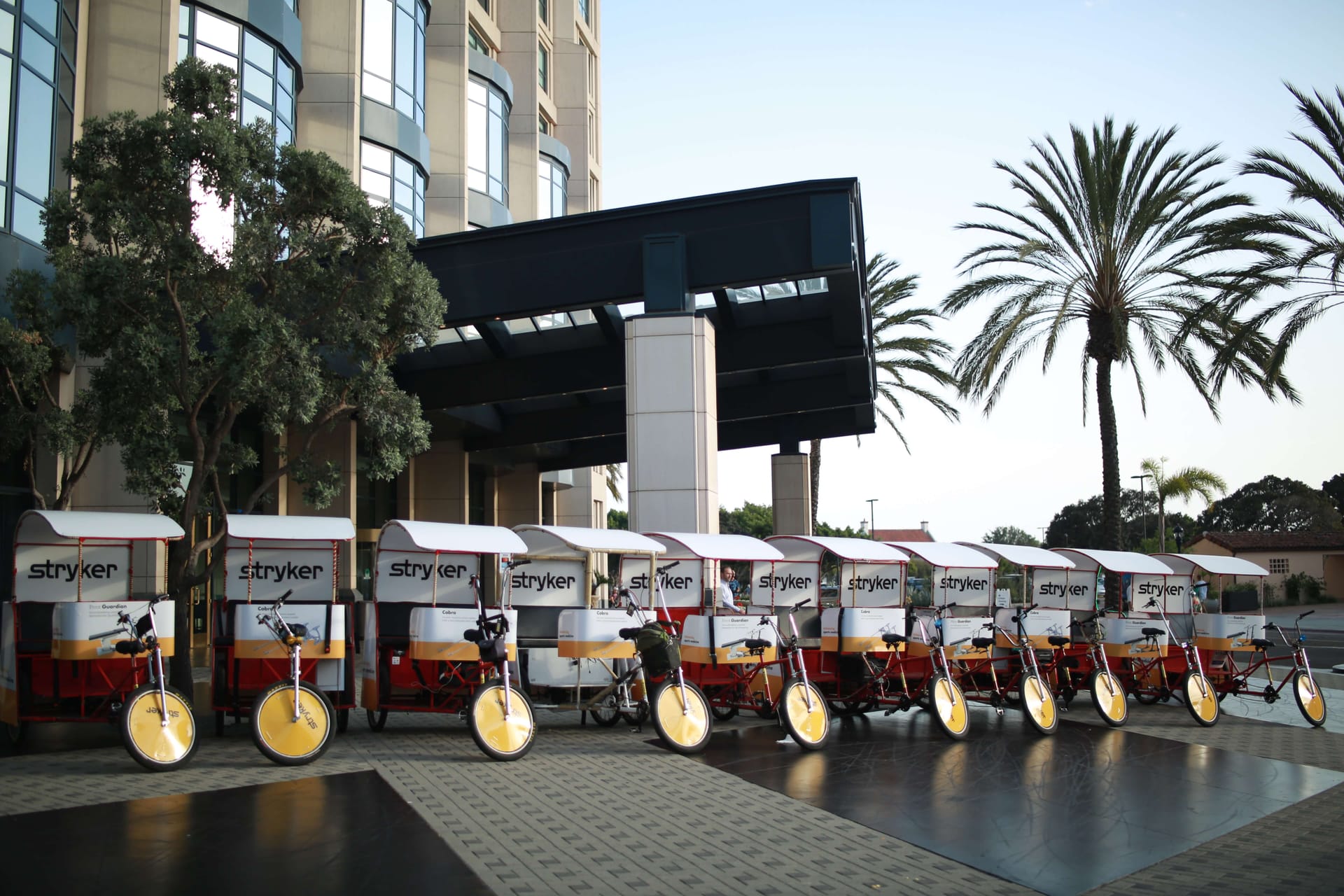
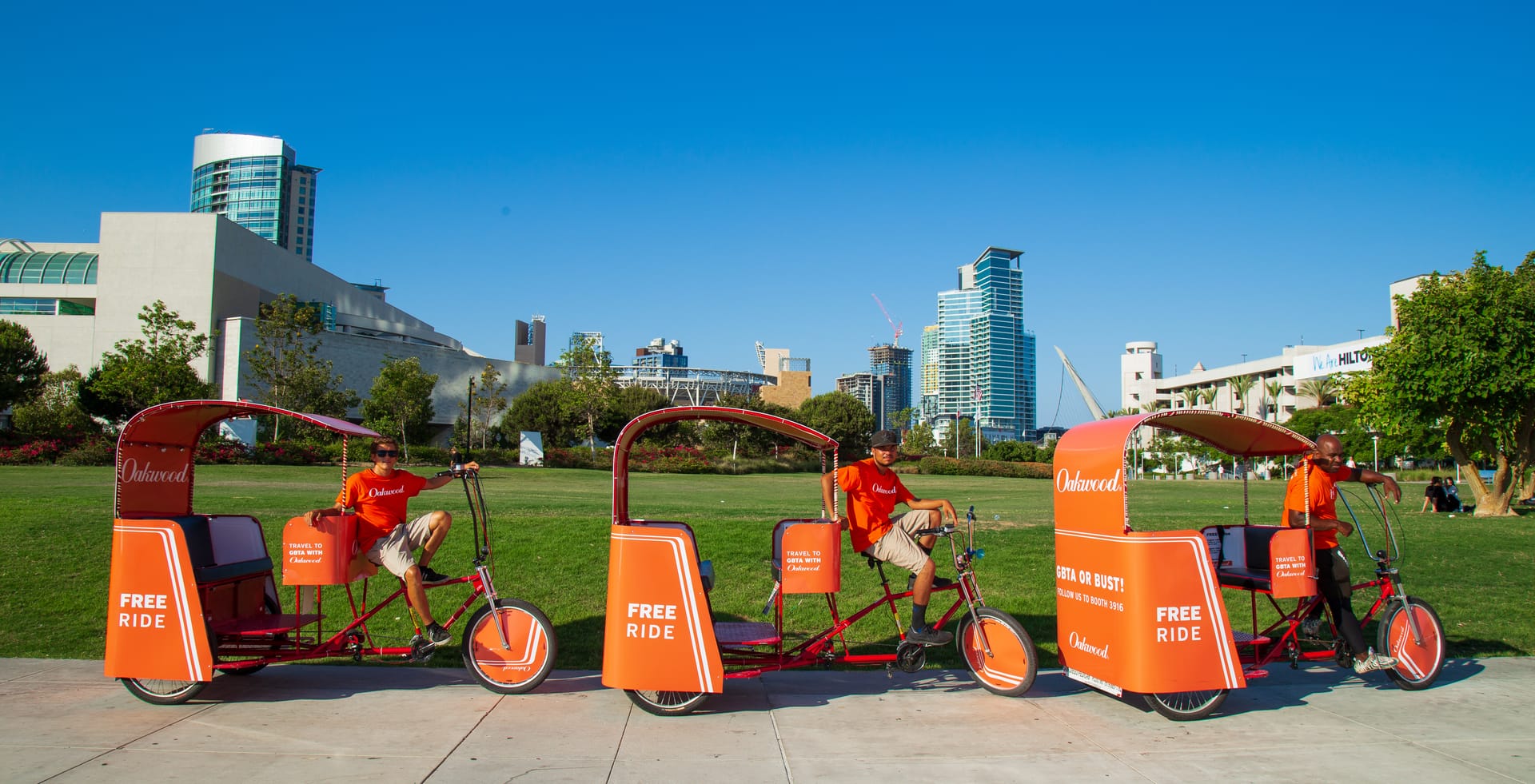
Custom pedicab wraps represent the pinnacle of street-level branding. These are premium mobility formats that provide a direct service to attendees. By offering branded transportation, your company becomes a functional part of the event experience. Full-vehicle branding ensures 360-degree visibility in high-dwell areas. These assets become permanent fixtures in the event’s visual landscape, frequently appearing in attendee photos and social media updates. It is a high-energy, exclusive format that establishes a level of prestige static signs simply cannot replicate. You aren't just delivering a message; you're providing a utility that attendees value.
Ready to Dominate Your Next Event?
Establishing market dominance requires foresight and planning. We recommend that corporate decision-makers begin planning proximity media 6-9 months in advance of a major show. This lead time secures the most effective transit routes and ensures your creative strategy is fully optimized for the local environment. Working with a partner that understands the specific nuances of major national trade shows is essential for maximizing ROI. Don't leave your brand's visibility to chance. Partner with VIP Outdoor Media for your next convention campaign and own the attendee journey from the hotel doorstep to the hall entrance.
Own the Event District
Owning the attendee journey requires a shift from passive exhibition to active district dominance. We've explored how strategic advertising near convention centers eliminates in-hall noise and establishes your brand as a market leader before prospects even enter the venue. Success depends on capturing high-traffic corridors and utilizing high-visibility mobile formats that adapt to real-time crowd flow. VIP Outdoor Media provides the national operational capability and logistical prowess to execute these complex campaigns at the highest level.
The battle for attention is won on the street. Whether you're targeting the massive crowds of Comic-Con or an elite industry summit, our custom high-visibility pedicab wraps deliver unmatched experiential impact. It's time to elevate your event presence and ensure your brand is the only one they remember. Secure Your High-Impact Proximity Media with VIP Outdoor Media and lead the way to your booth. Take control of the narrative and outshine the competition.
Frequently Asked Questions
What is the best type of advertising near convention centers?
The most effective format is high-impact mobile media, particularly custom pedicab wraps. Unlike static signs, these assets move with the attendee flow between hotels and the venue. They provide a direct service while delivering a 360-degree brand message. This creates a memorable experiential touchpoint that static billboards cannot match in a dense urban event district. It turns a simple impression into a personal interaction.
How far in advance should I book advertising for a major convention?
We recommend securing your inventory 6 to 9 months before the event date. Prime routes and high-visibility assets near major hubs sell out rapidly as global brands finalize their budgets. Early booking ensures you secure the most effective transit corridors and allows for a more sophisticated creative strategy. Waiting until the last minute often results in compromised locations and reduced impact on your target audience.
Can I track the ROI of outdoor advertising near a trade show?
You can track performance through digital integration such as custom QR codes, event-specific hashtags, and dedicated landing pages. These tools bridge the gap between physical visibility and digital lead generation. Additionally, monitoring foot traffic increases at your specific booth provides a direct correlation to your proximity campaign. We prioritize data-driven reporting to ensure your investment translates into measurable engagement and high-value leads.
Is proximity advertising allowed at all national convention centers?
Proximity advertising is permitted at all major national hubs, though local ordinances and permit requirements vary by city. Navigating these federal, state, and local laws requires a partner with national operational capability. We handle all the regulatory red tape and municipal permitting. This ensures your campaign remains compliant while maximizing visibility in the most restricted urban zones where your prospects spend their time.
How do pedicab wraps compare to traditional billboards in event districts?
Pedicab wraps offer eye-level engagement and mobility that traditional billboards lack. In dense urban centers, high-altitude billboards are often obscured by architecture or ignored by busy pedestrians. Pedicabs operate directly within the walking path of the C-suite. They provide a "surround sound" branding effect by following the crowd, whereas a billboard remains fixed and easily bypassed by attendees focused on their destination.
What are the most effective creative strategies for street-level event media?
High-impact creative relies on the "3-second rule" for rapid recognition. Use bold, sans-serif typography and high-contrast color palettes to cut through urban clutter. Your messaging must be concise and tailored to the professional demographic of the show. Avoid the visual density of print ads. Focus on one clear call to action that drives attendees toward your digital platform or your physical booth location.
Why should I advertise outside the hall if I already have a booth?
Using advertising near convention centers allows you to intercept decision-makers before they face the brand dilution of the exhibition floor. It establishes your brand as a "host" of the event rather than just another exhibitor. Since attendees spend significant time at nearby hotels and restaurants, proximity media extends your visibility into the after-hours networking economy when the hall doors are closed and competition is lower.
How does VIP Outdoor Media handle logistics for national events?
We provide a high-capacity logistical framework for major events nationwide. Our team manages everything from initial strategy and custom wrap production to local permitting and real-time proof-of-performance reporting. We act as a seasoned partner capable of handling high-stakes requirements for global entities. This rigorous operational execution ensures your brand maintains a prestigious and uninterrupted presence throughout the entire event duration without any technical or legal friction.